May 11, 2020
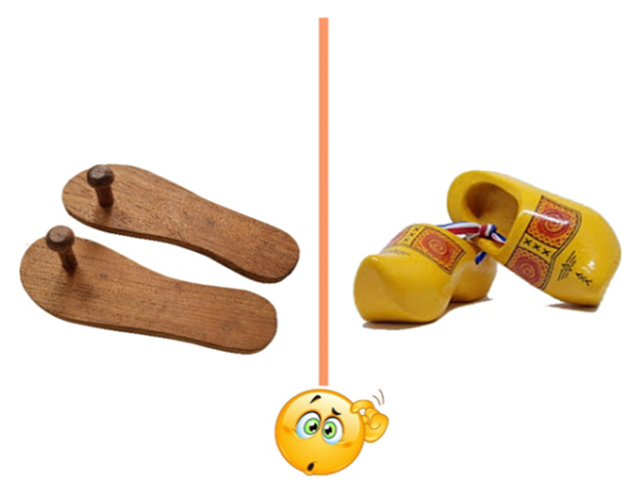
Klompen or Padukas?
Padukas – the Indian wooden shoes🥿 that were worn in the ancient times and mainly by sages and saints. These are flat wooden slippers with only a post and a knob for a grip between the first two toes of the feet. Padukas are of holy importance in India and one such significance dates back to the period of Lord Rama.

April 23, 2019
Some facts about King’s Day
For more than a century, The Netherlands has been used to Koninginnedag (Queen’s day) with even VanDale (dictionary) making place for the word Beatrixkapsel (Haircut of Queen Beatrix). ? Earlier known as the Princessedag (Princess’ Day), celebrating the 5th birthday of Princess Wilhelmina on the 31st of August in 1885, and after ascending the throne, the Queen’s Day then came to the fore.
February 25, 2019
From Stamppot to Vada Pav
Spat!!! Here comes the first drop of rain standing as a pimple at the tip of my nose. ? The cold breeze slapping against my cheeks and the little amount of hair left doing a march-past ̶ left, right, left. “Quack, quack!” says the heart, “I crave something lekker (tasty), something warm and pittig (spicy).” I sprint to the nearest food joint and look around.
January 31, 2019
Anne Frank
Reading the Anne Frank diary sets a whole new wave of emotions in your system leaving the reader feel wretched. The diary makes you ride the roller coaster and experience the mood of ups and downs as if you were a part. Touching the soul, the reader along with Anne sees a ray of hope that the family would sail through and survive especially after the Allies invasion in France, but, alas they were caught.
January 21, 2019
Similarities between Sanskrit, Hindi and Dutch
History can be boring, unless narrated by Marvel Studios or in the form of a fairy tale, and I can do neither.? Moreover would it be impossible to sit and chalk out the family tree for languages and territories, let alone the cumbersome names that one can remember.?‍♀️ Though languages and words are said to have developed from gestures, signs and carvings on the walls of caves etc., distance was also directly proportional to the number of languages. It is also assumed that several flavours were added to one base language carried along by people travelling to different corners.?