
De Kumbh Mela – The Holy Dip
January 16, 2025
Do I have to expand my brain storage if I am learning a new language?🍁 🌿
December 17, 2025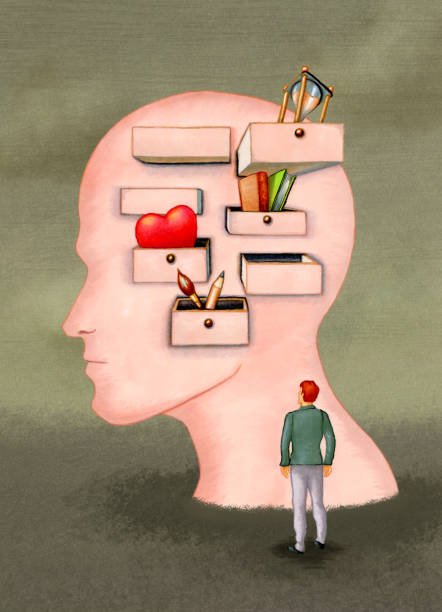
How can we compartmentalise our brain when learning a new language — and stop thinking in our comfort language first?
Does your brain sometimes do the MingleDance, or have you experienced what I like to call LanguageBhel? 🤭
Most of us grow up learning several languages without even realising it — Hindi, English, our mother tongue, maybe a regional language, and later, a foreign language. With all these languages swirling around in our heads, it’s natural to end up creating a delicious mix… a true 𝑳𝒂𝒏𝒈𝒖𝒂𝒈𝒆 𝑩𝒉𝒆𝒍!
And just like the bhel we love — a crunchy mixture of rice flakes, farsan, and spices — our brain mixes languages, flavours, and memories all at once. hartigesnacks hapjes
But here’s the interesting part:
As children, we could learn up to seven languages at once!! 😇
…because we naturally compartmentalised them. Without overthinking, without translating, without comparing — just absorbing.
As adults, we do the opposite.
• We try to relate everything to our strongest language.
• We think in English first (or whichever is our comfort language), then translate into Dutch.
• This slows down learning, blocks fluency, and creates dependency.
𝑺𝒐… 𝒉𝒐𝒘 𝒅𝒐 𝒘𝒆 𝒓𝒆𝒎𝒆𝒎𝒃𝒆𝒓? 𝑯𝒐𝒘 𝒅𝒐 𝒘𝒆 𝒔𝒘𝒊𝒕𝒄𝒉 𝒐𝒇𝒇 𝒕𝒉𝒆 𝒄𝒐𝒎𝒇𝒐𝒓𝒕 𝒍𝒂𝒏𝒈𝒖𝒂𝒈𝒆?
Let’s break it down.

1. Pictures — 𝗬𝗼𝘂𝗿 𝗯𝗿𝗮𝗶𝗻’𝘀 𝗲𝗮𝘀𝗶𝗲𝘀𝘁 𝗳𝗶𝗹𝗶𝗻𝗴 𝘀𝘆𝘀𝘁𝗲𝗺
We forget names, but we never forget faces.
Why? Because the brain stores visuals better than words.
If you connect every new Dutch word to a picture — a supermarket, a house, a clothing shop — you build direct associations. No more translating. What you see becomes what you recall.
𝑾𝒉𝒂𝒕 𝒚𝒐𝒖 𝒔𝒆𝒆 → 𝒚𝒐𝒖 𝒊𝒅𝒆𝒏𝒕𝒊𝒇𝒚 → 𝒚𝒐𝒖 𝒓𝒆𝒎𝒆𝒎𝒃𝒆𝒓.

2. Music — 𝗧𝗵𝗲𝗿𝗮𝗽𝘆 𝗳𝗼𝗿 𝘁𝗵𝗲 𝗹𝗮𝗻𝗴𝘂𝗮𝗴𝗲 𝗯𝗿𝗮𝗶𝗻
Have you noticed how a line from a song sticks forever?
Listening to Dutch music helps your brain recognise the sounds of the language you’re learning. Even if you understand only a few words at first, your brain starts building auditory memory.
Once your brain likes a rhythm, it keeps the words.
Once it keeps the words, you’ve already won.

3. Talking — 𝗧𝗵𝗲 𝘂𝗹𝘁𝗶𝗺𝗮𝘁𝗲 𝘄𝗮𝘆 𝘁𝗼 𝘂𝗻𝗹𝗼𝗮𝗱 𝗮𝗻𝗱 𝗹𝗲𝗮𝗿𝗻
After a lesson, your brain is full.
Speaking — even if broken, even if imperfect — releases what you’ve just learned. And once you release information, you create space for new learning.
Talking helps you:
• practise without translating
• build confidence
• retain vocabulary
• develop fluency naturally.
So the secret to compartmentalising is simple: see it, hear it, say it.
𝗡𝗼 𝘁𝗿𝗮𝗻𝘀𝗹𝗮𝘁𝗶𝗻𝗴. 𝗡𝗼 𝗰𝗼𝗺𝗽𝗮𝗿𝗶𝗻𝗴. 𝗝𝘂𝘀𝘁 𝗲𝘅𝗽𝗲𝗿𝗶𝗲𝗻𝗰𝗶𝗻𝗴.
𝗟𝗲𝘁 𝘆𝗼𝘂𝗿 𝗯𝗿𝗮𝗶𝗻 𝗰𝗿𝗲𝗮𝘁𝗲 𝗮 𝗻𝗲𝘄 𝗱𝗿𝗮𝘄𝗲𝗿 𝗳𝗼𝗿 𝗗𝘂𝘁𝗰𝗵, 𝗶𝗻𝘀𝘁𝗲𝗮𝗱 𝗼𝗳 𝘀𝗾𝘂𝗲𝗲𝘇𝗶𝗻𝗴 𝗶𝘁 𝗶𝗻𝘁𝗼 𝘁𝗵𝗲 𝗘𝗻𝗴𝗹𝗶𝘀𝗵 𝗼𝗻𝗲. 😊